
Beaumont Voter Registration Lookup
The California Secretary of State runs My Voter Status, the official personal lookup for Beaumont voters. It is built to let a registrant confirm their own status, party preference, county, voting location information, vote-by-mail status, ballot status where supported, and district or election details. It does not let a stranger type a name and browse voter records for everyone in Beaumont.
| Lookup Field | Input Type | Required | How It Is Used |
|---|---|---|---|
| First Name | Text | Yes | Matched to the registrant's voter record. |
| Last Name | Text | Yes | Used with the other identity fields to avoid false matches. |
| California Driver License or ID Card Number | Text | Conditional | Used for identity matching if available. |
| Last four digits of Social Security Number | Text | Conditional | Used for verification and not displayed as a public field. |
| Date of Birth | Date fields | Yes | Month, day, and year confirm the personal lookup. |
| Submit or Continue | Button | Yes | Runs the status check against state voter data. |
The form asks for identity fields because California voter registration data includes confidential elements. A non-match may mean the voter is not registered, the supplied facts do not match, or the record needs county follow-up. For Beaumont, that county office is the Riverside County Registrar of Voters.
The source page for California voter-file access is the Secretary of State voter file request page.
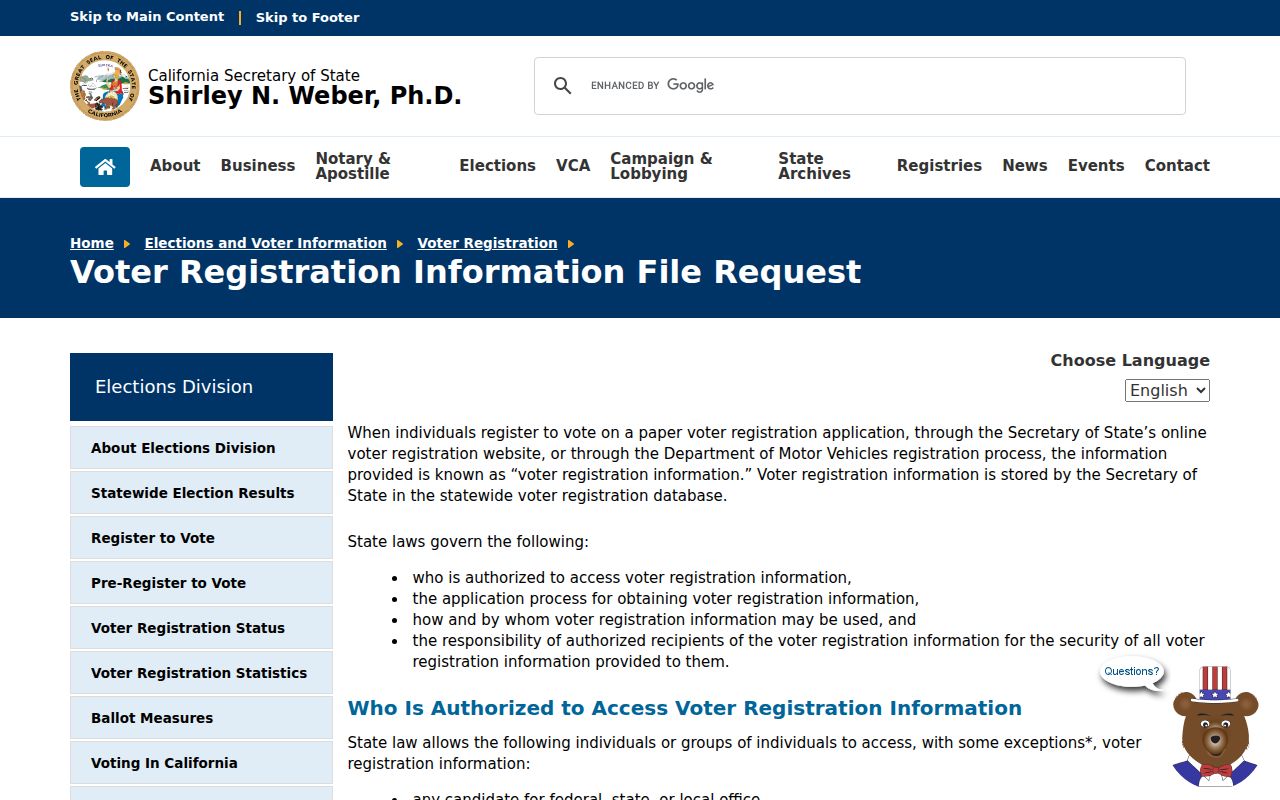
That screenshot matters because the voter file process is separate from the personal lookup and carries its own certification rules.
California Status Is Personal
The main myth around Beaumont voter records is that the state lookup works like a phone book. It does not. The lookup is for a voter checking their own status, and the required identity fields are part of that design. California still allows public inspection or copying of certain voter information under Elections Code section 2188, but that access is filtered through request rules, permitted purposes, and privacy statutes.
For a normal Beaumont people search, voter records should be treated as a narrow civic record, not a broad identity tool. Party preference, precinct, registration status, and voting participation history can be meaningful when lawfully obtained, but ballot choices are never part of voter history. A person researching family history, election participation, or a public-interest story should keep the personal lookup and the voter file in separate lanes.
The California Safe at Home program is one reason a lawful search may not show the residence address a person expects.
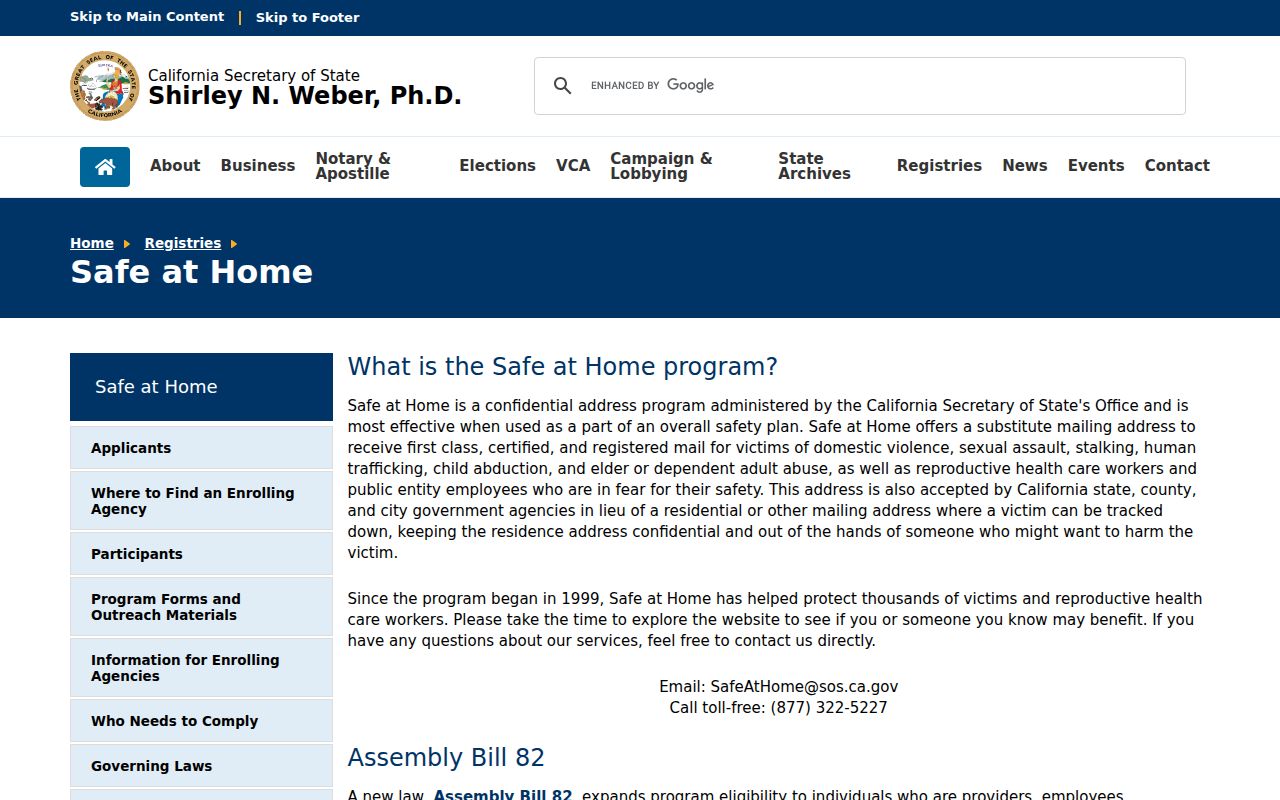
Protected-address rules can explain why a Beaumont voter record is limited or routed through a substitute mailing address.
California Voter Records Fields
A California voter record can contain more than a name and address. For Beaumont voters, the working file is tied to Riverside County and state voter systems. The public extract can include residence address, mailing address if different, party preference, precinct and district codes, registration date, registration status, and voting participation history. Participation means whether a person voted in a given election. It does not show how the person voted.
| Name | Can appear in the public voter file when access is lawfully granted. |
|---|---|
| Residence address | Can appear unless the voter is protected by Safe at Home or Elections Code confidentiality. |
| Mailing address | Can appear when different from the residence address and not otherwise protected. |
| Party preference | California registration includes party preference or no party preference. |
| Precinct and districts | Useful for matching a Beaumont voter to Riverside County election geography. |
| Voting history | Shows participation, not ballot choices. |
| Status | Active, inactive, cancelled, or other list-maintenance status where shown. |
Confidential by law. Driver license numbers, Social Security numbers, signatures, full birth dates in many public contexts, protected voter addresses, and ballot choices are not general public voter fields under California law.
What Beaumont Voter Records Withhold
Elections Code section 2194 limits the use of voter information to election, scholarly, journalistic, political, or governmental purposes as determined by the Secretary of State. It bars commercial use. Elections Code section 2166 protects voters facing life-threatening circumstances, and section 2166.5 covers certain public-safety classes. Safe at Home can also substitute a mailing address for qualifying people.
Those rules are not small footnotes. They shape what a Beaumont voter registration record can reveal, who can receive a file, and how the file may be used. A missing home address may reflect lawful confidentiality rather than a bad search. The general California Public Records Act, Government Code section 7920.000 et seq., explains public access to agency records, but election records have their own more specific limits.
The official code text can be checked through California Legislative Information.
Use the code source for current statute text before relying on an older voter-file summary.
Requesting California Voter Data
The full voter file is not the same thing as the My Voter Status tool. A voter-file request asks for an extract of state or county voter data and requires the requester to identify themselves, their organization when applicable, the requested data, the purpose, the delivery format, and the legal certification. Fees and media options should be verified on the current Secretary of State form rather than copied from old summaries.
- Start with the Secretary of State voter registration information file request page and choose the voter data needed for the lawful purpose.
- Complete the requester, organization, contact, requested-data, and purpose sections. The purpose must fit California's permitted-use categories.
- Sign the certification or agreement. That certification is the legal promise that the voter file will not be used outside the allowed purpose.
- Confirm the current fee, delivery format, and any Riverside County routing with the Secretary of State or the Riverside County Registrar of Voters.
Misuse can lead to penalties and reporting through the Secretary of State or county election officials. Voter-file data should never be used to harass, threaten, follow, or pressure a person. The same caution applies when voter rolls are combined with other records such as property, court, or license data.
Riverside Registrar for Beaumont
Beaumont is in Riverside County, so the county election office is the Riverside County Registrar of Voters. The registrar handles local voter registration questions, precinct information, vote centers, election results, county election notices, and county-level voter file contacts. The state lookup may point a voter back to the county office when the match fails or when a local election detail needs review.
List maintenance also runs through official election systems. California follows NVRA and HAVA processes, including address confirmation, inactive status after returned election mail or lack of response, cancellation after statutory waiting periods and missed federal general elections, updates from DMV and death records, felony or prison-status updates where applicable, and voter-initiated changes.
For statewide court and agency context that may intersect with identity research, the California Courts website is a separate official source, not a voter-records portal.
That distinction helps keep election records, court records, and general public records from being mixed into one unsupported claim.
Historical Beaumont Voter Registers
Older voter sources can be richer than modern voter files. California Great Registers and local voter registers may show age, occupation, nativity, naturalization details, physical description, and precinct. For Beaumont, the history matters: Riverside County was organized in 1893, and Beaumont incorporated in 1912. Earlier residents may appear under San Gorgonio Pass, township, precinct, San Bernardino County, or San Diego County record groups.
Historical research should use the California State Archives, FamilySearch catalog searches, Beaumont Library District resources, Riverside County Library System databases, newspaper collections, and county archive referrals. These sources are better for genealogy than for current address research because they show who lived, voted, owned land, or appeared in civic records in a prior era.
The State Archives is the official starting point for many older California government records.
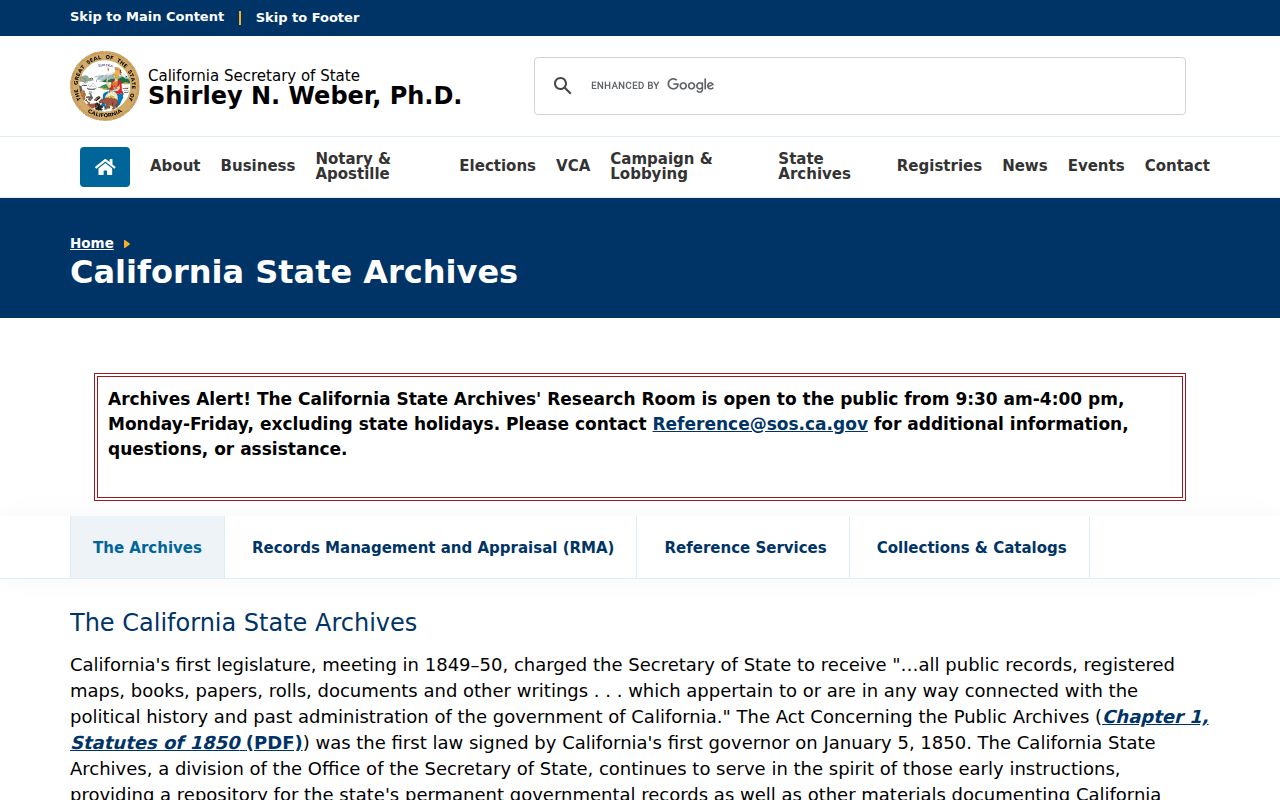
Great Registers can bridge modern voter rolls with older county, naturalization, and precinct records.
When Voter Clues Are Thin
When voter records cannot lawfully answer a location question, use official records that are built for broader public search. The California State Controller's unclaimed property search can show a name, business name, holder, property type, and last-known address where state rules allow. It is not a voter record, but it can help distinguish two people with similar names or point to a prior Beaumont-area address.
The official California unclaimed property search is free, and claims should be handled through the state process rather than fee-based solicitations.
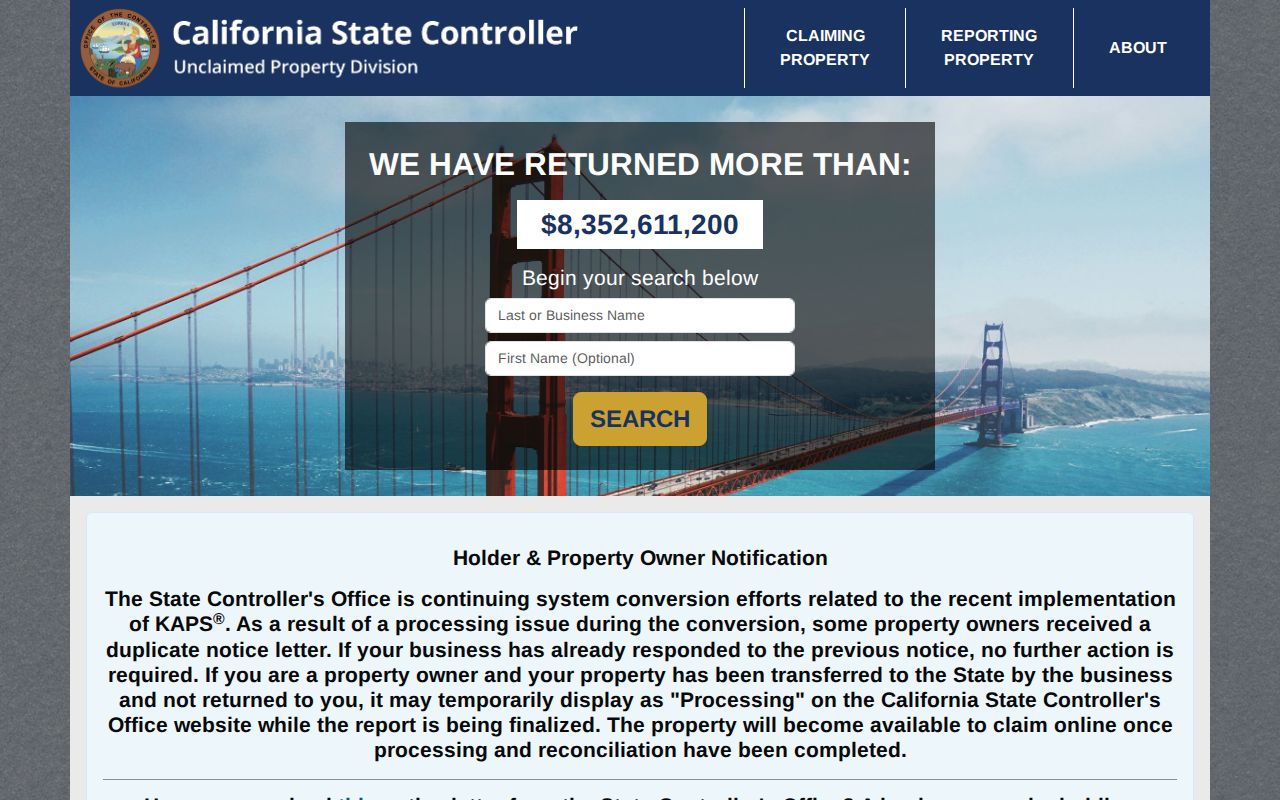
Use this as a lawful supplemental clue, not as a substitute for the restricted voter file.
Note: The safest voter-record workflow is to verify status personally, request files only for permitted purposes, and respect protected-address limits.